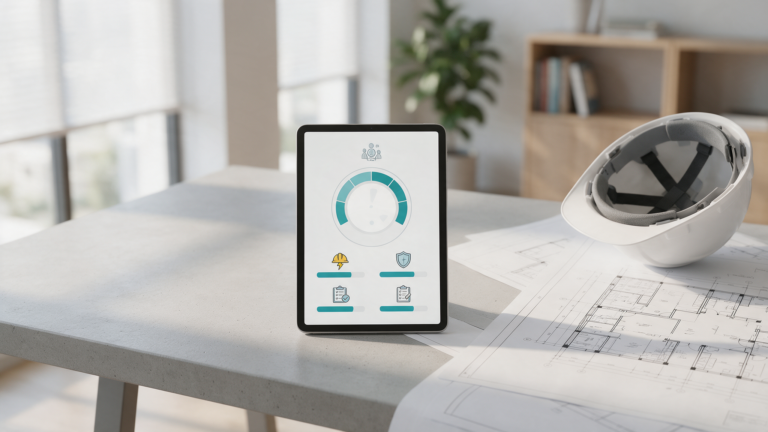
Email-based Certificate of Insurance (COI) reviews miss critical coverage gaps and expiration windows. An automated COI verification pipeline extracts and parses coverage limits, policy effective dates, additional insured endorsements, and primary non-contributory wording. It catches coverage defects before subcontractors step on the jobsite, protecting general contractors and owners from uninsured liability.
Every construction project starts the same way: subcontractors email certificates of insurance, someone checks a box, and the project moves forward. Then, when an unexpected claim or jobsite incident occurs, someone opens the file and discovers the certificate was expired, the limits were insufficient, or the named insured did not match the operating entity.
What an Email Inbox Misses
A standard email-inbox review confirms only that a PDF was received. It does not verify whether the certificate satisfies your contractual requirements:
- Mismatched Named Insured: The certificate lists a parent company, DBA, or related entity that is not the legal signatory on your subcontractor agreement.
- Missing Endorsements: Essential endorsements — such as Additional Insured, Waiver of Subrogation, and Primary & Non-Contributory wording — are either omitted or improperly formatted.
- Sublimit Restrictions: Hidden policy exclusions or sublimits that invalidate coverage for the specific work being performed on site.
- Premature Cancellation: Policies cancelled mid-term that remain on file as "active" in an unmonitored spreadsheet.
Endorsement Defects and Claim Repudiation
Insurance carriers defend their balance sheets by aggressively scrutinizing policy endorsements after an incident. If an Additional Insured endorsement lacks Primary & Non-Contributory wording or if the Waiver of Subrogation was omitted, the subcontractor's carrier can legally refuse tender of defense. An automated verification pipeline catches these defects at onboarding, ensuring your coverage is fully defensible before work begins.
Continuous Expiration Auditing
One of the largest exposures general contractors carry is the gap between onboarding and policy renewal. A certificate valid in January may expire in April while the subcontractor is actively pouring concrete on site. An automated verification pipeline audits expiration schedules continuously, triggering renewal workflows well ahead of lapse dates.
Defensible Audit Deliverables
When an insurer, surety underwriter, or project owner conducts a compliance audit, they require concrete proof of coverage continuity. Automated pipelines deliver structured audit trails with time-stamped verification logs, parsed certificate terms, and instant defect alerts.
Evulta replaces manual COI administration with automated parsing, endorsement validation, and continuous expiration auditing. Built for general contractors and developers.